How to Evaluate a Real Estate Developer Before Buying in Egypt
A property purchase can represent years of savings and one of the most significant financial decisions a buyer makes. That is why choosing the right developer should come before choosing the unit itself. In Egypt's increasingly competitive real estate market, attractive designs, flexible payment plans, and promotional offers can make projects look similar on the surface, but the real difference lies in the developer's ability to deliver what was promised.
Identifying a trusted real estate developer in Egypt requires buyers to look beyond marketing and examine tangible signs of credibility, from previous projects and construction progress to customer satisfaction, contractual transparency, and long-term development plans.
Reviewing Previous Projects and Delivery History
A developer's previous projects are among the strongest indicators of its ability to execute future developments. Buyers should examine the company's portfolio and look for evidence of completed, ongoing, and successfully delivered projects.
Important points to consider include:
- Number and type of completed projects.
- Delivery timelines and execution consistency.
- Locations of previous developments.
- Diversity of residential and commercial projects.
- The condition and management of completed properties.
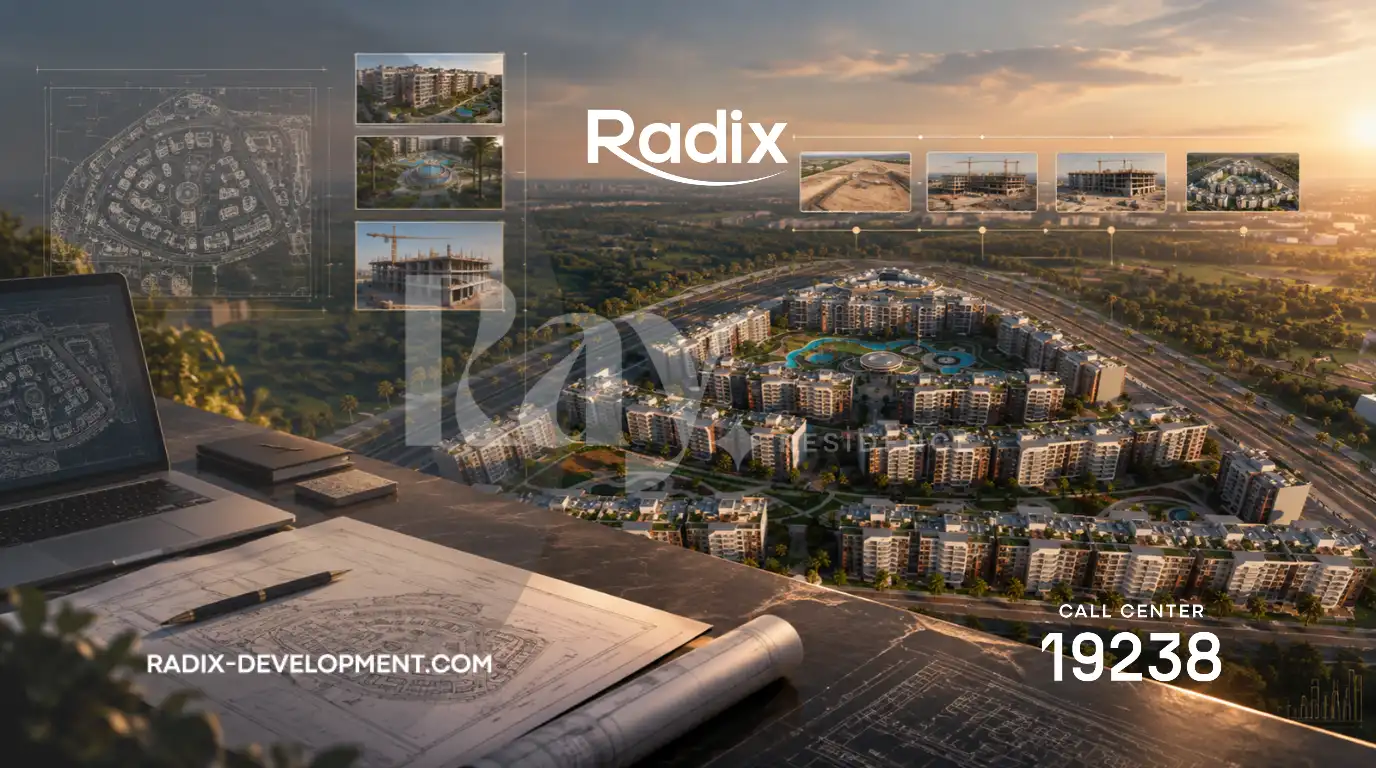
For example, Radix Development has developed a portfolio in Egypt that includes projects in the New Administrative Capital. Its developments include Ray Residence, a residential project in the R8 district, alongside commercial and mixed-use developments such as Spinner New Capital and Agile Business Complex.
Examining several projects rather than focusing on one development gives buyers a broader picture of a developer's experience and approach.
Measuring Construction Quality Across Developments
A developer's reputation should also be assessed through the quality of its projects. Buyers should examine more than exterior architecture and promotional images.
Look at:
- Building materials and finishing standards.
- Architectural planning and unit layouts.
- Infrastructure and utility systems.
- Parking and accessibility.
- Security and surveillance systems.
- Fire safety and other essential systems.
- Landscaping and shared facilities.
In commercial developments, functionality is equally important. Projects such as Spinner New Capital and Agile Business Complex can be evaluated based on how their commercial, administrative, and medical spaces are planned to serve businesses, professionals, and visitors.
Understanding Financial Stability and Market Presence
Financial stability is another important consideration when evaluating a real estate developer. Large developments require substantial capital, long-term planning, and the ability to manage construction and operational commitments.
Buyers should research:
- The developer's market history.
- Its overall project portfolio.
- The scale and diversity of its developments.
- Partnerships and consultants involved in major projects.
- Its continued presence in the real estate market.
A developer with an expanding portfolio and a clear development strategy can provide buyers with more information when assessing its long-term market position.
Checking Customer Reviews and Buyer Experience
Marketing materials present a developer's strongest image, while customer experiences can provide another perspective. Before purchasing, potential buyers should search for feedback from existing owners and previous customers.
Pay attention to recurring comments about:
- Delivery and handover experiences.
- Communication with customers.
- Finishing quality.
- Maintenance and after-sales services.
- Contractual procedures.
- Property management.
No developer will have a completely uniform customer experience, but repeated patterns can help buyers identify strengths and potential concerns.
Comparing Developers Using Practical Criteria
Rather than choosing a developer based on price alone, buyers should create a simple comparison based on objective criteria.
Consider the developer's:
- Track record and delivery history.
- Project locations.
- Construction quality.
- Financial and market position.
- Customer service.
- Contract transparency.
- After-sales support.
- Ability to meet the needs of the target market.
This approach is particularly useful in the New Administrative Capital, where buyers may compare several developers offering projects within similar locations and property categories.
Building Confidence Before Making Your Purchase
Confidence should come from evidence, not simply from a persuasive sales presentation. Before making a purchase, buyers should review the developer's portfolio, visit projects whenever possible, verify project details, examine contractual documents, and compare the investment with competing opportunities.
A developer such as Radix Development can be assessed through different projects within its portfolio, from the residential Ray Residence to commercial developments such as Spinner New Capital and Agile Business Complex. Looking at these projects collectively can help buyers understand the developer's experience across different real estate segments.
The more thoroughly buyers investigate the company behind a property, the better positioned they are to distinguish between a promising real estate investment and a decision based primarily on marketing.