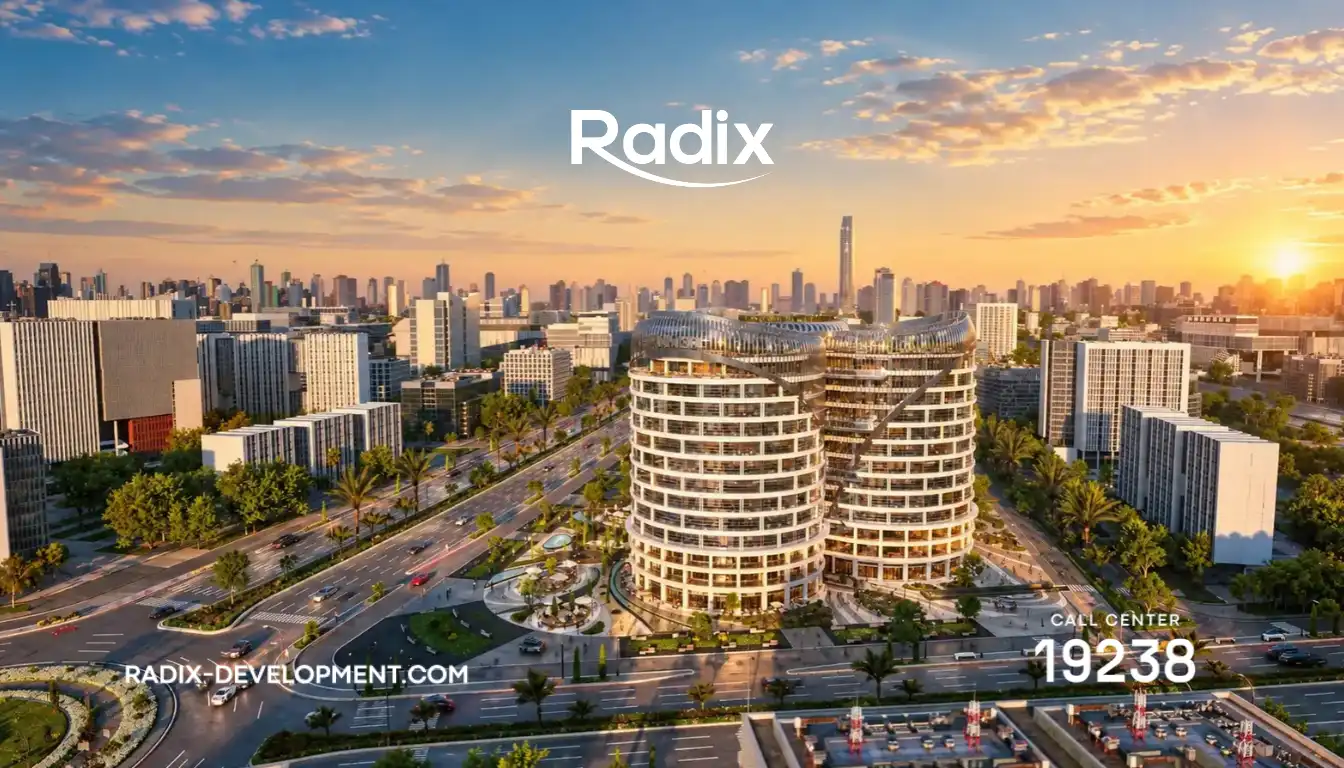
How Retail Properties Generate Long Term Investment Value
Retail real estate offers investors an opportunity to benefit from consumer spending, business expansion, and the development of new commercial destinations. From shops and cafés to restaurants and service outlets, retail units can generate rental income when they are positioned in locations that attract customers and meet the needs of surrounding communities.
In Egypt, expanding urban developments and planned business districts are creating new retail investment opportunities. The New Administrative Capital, for example, features commercial projects designed to accommodate different business activities. However, a retail property's long-term value depends on more than its location or purchase price. Consumer demand, accessibility, tenant performance, and operating costs all play important roles in determining its investment potential.
Understanding Consumer Demand in Retail Locations
Consumer demand is one of the most important factors influencing retail property performance. Businesses need locations where their target customers can reach them easily, find relevant products and services, and return regularly.
Before investing in a retail unit, buyers should consider:
- Population density: Nearby residential communities can provide a potential customer base.
- Customer profiles: Age groups, purchasing power, and lifestyle preferences influence which businesses may succeed.
- Daily activity: Offices, schools, residential developments, and leisure destinations can contribute to customer movement.
- Competition: Too many similar businesses may affect tenants' ability to attract customers.
- Accessibility: Convenient entrances, parking, and transportation links can improve the shopping experience.
A retail unit near an established residential community may appeal to everyday service providers, while a location surrounded by offices could be more suitable for cafés, restaurants, and convenience stores. Matching the property to actual consumer needs can help investors evaluate demand more realistically.
Choosing High Traffic Commercial Destinations
High customer traffic can make a retail property attractive to businesses, but the quality of that traffic matters as much as its volume. Investors should identify locations that connect naturally with customers' daily routines and offer convenient access.
When comparing commercial destinations, examine:
- Visibility: Units with clear storefronts and accessible entrances may attract more attention.
- Connectivity: Proximity to major roads and transportation routes can make visits more convenient.
- Surrounding activities: Offices, residential communities, entertainment facilities, and other retailers can support customer movement.
- Destination appeal: A well-planned commercial environment may encourage visitors to spend more time in the area.
- Operational convenience: Parking, signage, loading access, and suitable opening arrangements can influence business suitability.
In the New Administrative Capital, investors can explore developments such as Spinner New Capital, located in the MU23 area and covering approximately 20,000 square meters. Its commercial units provide an example of the retail opportunities buyers can investigate when comparing emerging commercial destinations.
Evaluating Retail Unit Performance
A retail property's investment performance depends on its ability to attract tenants, maintain occupancy, and generate income after expenses. An attractive development does not automatically guarantee strong leasing results, so investors should assess individual units carefully.
Important performance indicators include:
- Occupancy rate: The proportion of units occupied by operating businesses.
- Rental income: The rent received under actual leasing agreements.
- Vacancy periods: The time a unit remains unoccupied between tenants.
- Operating expenses: Maintenance, management fees, service charges, and repairs.
- Tenant stability: The likelihood that businesses can sustain operations and renew their leases.
Investors should also compare rental rates with similar units in the same area. A lower-priced property with consistent demand may offer a more attractive investment profile than a more expensive unit that struggles to secure tenants.
Factors That Influence Rental Growth
Rental growth depends on the relationship between tenant demand, available supply, and the broader economic environment. As a commercial area develops, new businesses and nearby residential communities may increase demand for suitable retail spaces. However, rental increases are not guaranteed and can be limited by competition or weaker consumer spending.
Several factors can influence future rental potential:
- Infrastructure development: Improved roads and transportation can increase accessibility.
- Population growth: Expanding residential communities may support demand for everyday retail services.
- Business activity: New offices and commercial destinations can create additional customer groups.
- Property quality: Modern facilities and effective maintenance can improve tenant appeal.
- Market supply: An oversupply of retail units may put pressure on rental prices.
Investors should base rental projections on comparable properties and realistic demand estimates rather than assuming that future development will automatically increase income.
Long Term Opportunities in Mixed Use Developments
Mixed-use developments combine different functions, such as retail, administrative offices, and residential spaces, within a planned environment. This approach can create opportunities for businesses to serve residents, employees, and visitors in one destination.
For retail investors, potential advantages include:
- Access to different customer groups throughout the day.
- Proximity to offices and residential communities.
- Opportunities to serve everyday needs, from dining to personal services.
- Greater variety in the surrounding commercial environment.
Radix Development's Agile Business Complex, located in the Downtown district of the New Administrative Capital, provides an example of a commercial development investors can examine when researching business-oriented destinations. Buyers should still evaluate the project's specific retail offering, surrounding activity, accessibility, and expected tenant demand before making an investment decision.
Selecting the Right Retail Investment
Choosing a retail property requires balancing location, price, customer demand, and long-term financial objectives. Investors should compare available opportunities systematically instead of relying on promotional claims or projected appreciation alone.
Before purchasing, consider the following checklist:
- Research the location: Examine surrounding communities, traffic patterns, accessibility, and competing retail developments.
- Identify suitable tenants: Determine which businesses match the unit's size, visibility, and customer base.
- Calculate total costs: Include the purchase price, service charges, maintenance, and other ownership expenses.
- Review legal documents: Verify ownership, permits, delivery terms, and contractual obligations.
- Assess leasing potential: Compare local rental rates and account for possible vacancy periods.
- Evaluate the developer: Review project specifications, construction progress, and documented delivery commitments.
For investors considering retail property investment in Egypt, comparing individual units in developments such as Spinner New Capital can help clarify differences in location, specifications, pricing, and commercial suitability before committing capital.